
What Foods Should to Avoid After Getting a Cosmetic Tattoo?
So, you’ve just had a fresh cosmetic tattoo — maybe those dream brows are finally yours, or you’ve got a new pop of lip colour that saves you from early-morning mirror marathons. But here’s something many first-timers (and even some seasoned tattoo fans) don’t realise: what you eat during healing matters just as much as your aftercare routine.
In this article, What Foods to Avoid After Getting a Cosmetic Tattoo — we’ll break down the science, myths, and salon truths behind what foods can mess with your healing process and pigment retention. I’ll share what I tell my own clients at Cosmetic Tattoo Studio Face Figurati, including the surprising foods that sneak up and delay recovery, increase swelling, or worse — lead to avoidable infections.
Whether it’s your first lip blush procedure or a brow touch-up, avoiding the wrong foods can mean the difference between crisp results and a drawn-out healing drama. Trust me, as a cosmetic tattoo artist who’s done everything from feather brows to full lip colour, food choices are often the unsung hero of a good result.
Contents
Why Diet Matters for Healing
Food fuels your body, but during healing, some foods can inflame, thin blood, or spike your immune response. And when your skin’s recovering from controlled trauma (which is exactly what a cosmetic tattoo procedure is), you want to give it every chance to regenerate cleanly.
Here’s why this matters:
- Spicy foods and acidic foods can make the area sting and trigger cold sores.
- Histamine-releasing and inflammatory foods may cause swelling, redness, or allergic-like responses, especially for sensitive skin types like oily skin or dry skin.
- Blood thinners — including alcohol, caffeine products, and fish oil tablets — increase bruising and pigment migration.
- Sugary foods slow down skin renewal and contribute to poor pigment retention.
So while you’re thinking about your aftercare cream or aftercare balm, don’t forget what’s going into your mouth — it’s all part of a complete aftercare routine. As someone who’s specialised in cosmetic tattooing for over a decade, I can tell you: diet is one of the most overlooked steps in tattoo aftercare.
Top Foods and Ingredients to Avoid
Here’s what we tell clients to steer clear of for at least 2–5 days post-treatment, and ideally up to 4–6 weeks depending on the area treated, initial colour, and your skin type.
Spicy Foods
Why: Can cause stinging on healing lips and may trigger cold sores.
Examples: Hot curries, chilli oil, jalapeños, spicy ramen.
Acidic Foods and Drinks
Why: Causing burning sensations and uneven healing on lip tattoos.
Examples: Citrus fruits, pineapple, vinegar-based dressings, acidic drinks.
Seafood & Shellfish
Why: High in histamines — increases risk of acute skin inflammation.
Alcohol
Why: Increases blood thinning effects, delays clotting, and causes premature fading.
Tip: Avoid for 24-48 hours, minimum. Excessive intake may increase the need for additional sessions.
Caffeine Products
Why: Can stimulate blood flow and trigger slight swelling.
Think: Coffee, energy drinks, strong black tea.
Sugary and Oily Foods
Why: They spike blood sugar levels, impair healing skin and delay natural skin regeneration.
Examples: Cakes, lollies, fast food, oily snacks.
Salty Foods
Why: Lead to fluid retention and can cause excessive swelling around lip blush or eyebrow tattoo treatments.
Examples: Chips, soy sauce, processed snacks.
Red Meat (in excess)
Why: Can slow the detox pathways needed during the healing time.
Dairy (for some)
Why: May aggravate skin sensitivity or lead to acne flare-ups, particularly in oily skin.
Quick Glance Table
| Food Type | Examples | Why Avoid Post-Treatment |
|---|---|---|
| Spicy Foods | Chilli, hot sauce, curry | Can trigger cold sores, cause stinging |
| Acidic Foods/Drinks | Citrus, pineapple, vinegar | Burn healing lips, slow skin recovery |
| Shellfish/Seafood | Prawns, mussels, oysters | Risk of allergic reaction |
| Alcohol | Wine, spirits, beer | Thin blood, causing in healing |
| Caffeine | Coffee, tea, energy drinks | Promotes swelling and agitation |
| Sugary/Oily Foods | Cakes, fries, and Thinchocolate | Impairs healing, can cause faster fading |
| Salty Snacks | Chips, noodles, soy sauce | Leads to puffiness and swelling |
Real Studio Stories
We had a client who came in for her initial session of a lip tattoo procedure. She followed every step of the tattoo aftercare — except the diet advice. That same night, she downed spicy pho, hot drinks, and a glass of white wine. By the next morning? Cold sore, swelling, and pigment loss.
That’s why we always talk through proper aftercare in detail. At Face Figurati, we send every client home with an aftercare pack, complete with balm with cotton buds, an aftercare card, and personalised food tips. Our Melbourne cosmetic lip tattooing clients especially appreciate the clear guidance, since our city’s food scene is so tempting post-appointment!
Healing Timeline + Aftercare Considerations
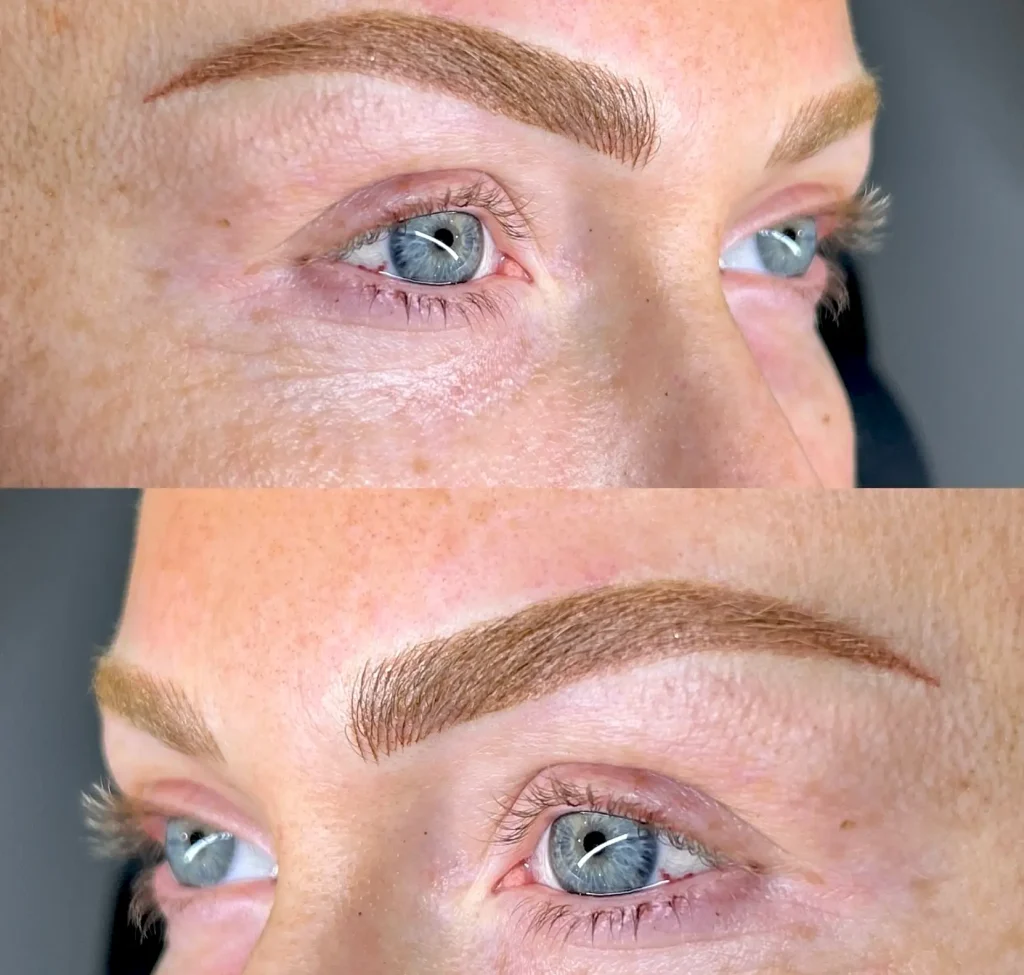
Every skin type — from dry skin to oily skin — responds slightly differently. But here’s a general healing timeline for cosmetic tattoo treatments:
- Day of treatment: Expect mild swelling, redness. Use a cold compress or ice pack for relief.
- 1-2 weeks: The Top layer of skin heals. Expect some flaking — do not pick. Use your tub of aftercare ointment as directed.
- 2-4 weeks: Skin starts regenerating below the surface. Avoid hot showers, tanning beds, UV exposure, and facial tanning.
- 4-6 weeks: Pigment stabilises. The true colour begins to show.
- 6-8 weeks: Time for a colour perfection visit or touch-up appointment if needed.
- 12-18 months: Consider regular maintenance appointments to keep pigment fresh.
2025 Beauty Trends: Diet is Part of Aftercare Now
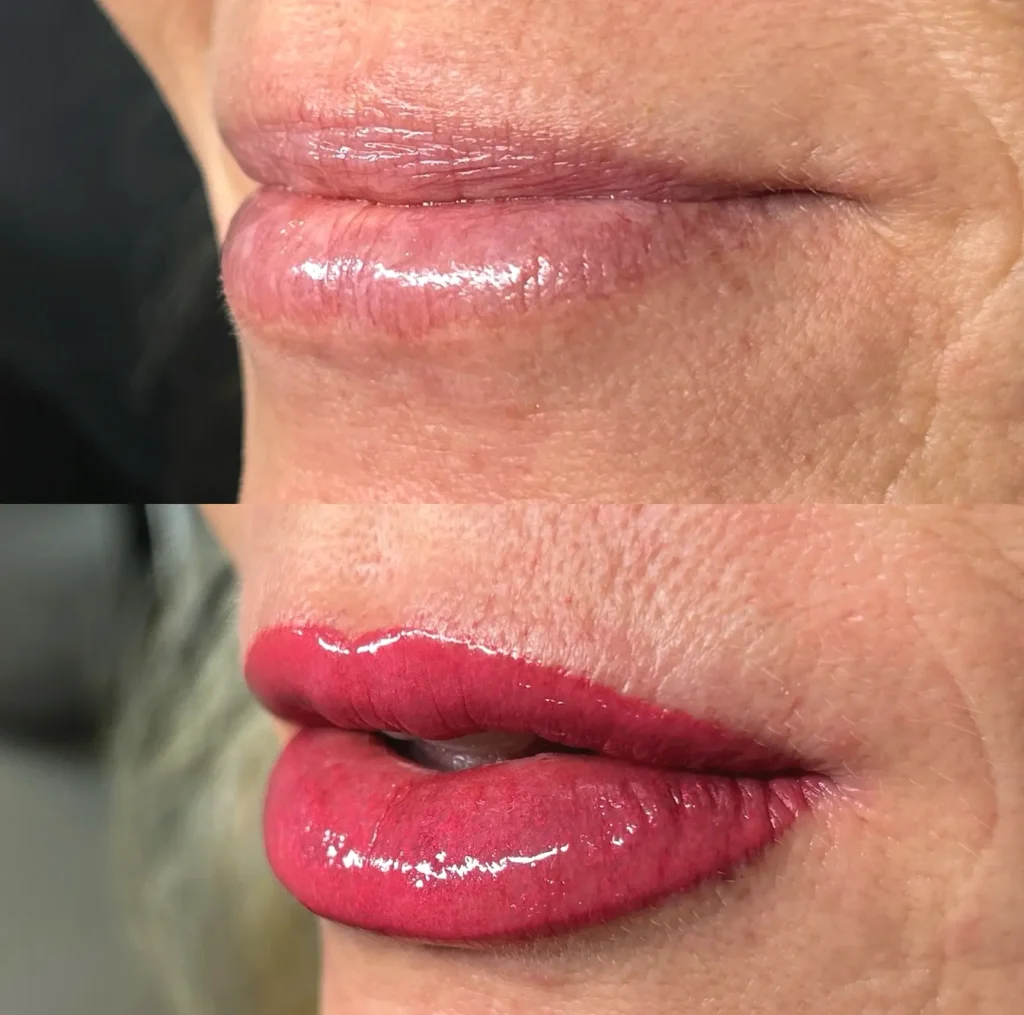
With the rise of natural-looking Permanent eyebrows, lip blush colour customisation, and brow lamination combos, diet and aftercare are becoming more important.
Data from 2025 shows that nearly 68% of touch-up appointments are due to poor pigment retention linked to improper aftercare, especially alcohol consumption, hot showers, or using acid-based products in the first 4-7 days.
As cosmetic tattooing becomes more mainstream, especially among clients booking their first cosmetic tattooing Melbourne experience, education around healing is evolving.
Pro tip: Avoid facial cleansers or acne skincare products containing Salicylic Acid for at least 1-14 days post-treatment.
What to Eat Instead (Healing-Supportive Foods)
Here’s what I recommend for smooth healing:
- Leafy greens: Boost collagen and clotting (hello Vitamin K)
- Berries: Support skin ingredients like Vitamin C and antioxidants
- Pumpkin & sunflower seeds: Great for zinc and wound repair
- Oats & brown rice: Gentle carbs to maintain blood sugar levels
- Ginger & turmeric: Calm inflammation
- Plenty of water: Clean water helps flush toxins and keeps lips moist and hydrated
- Tepid showers: Avoid direct water hitting the face early on
As a cosmetic tattoo artist, I often say that post-procedure meals matter as much as your aftercare balm, especially in the first few days post treatment.
Final Word
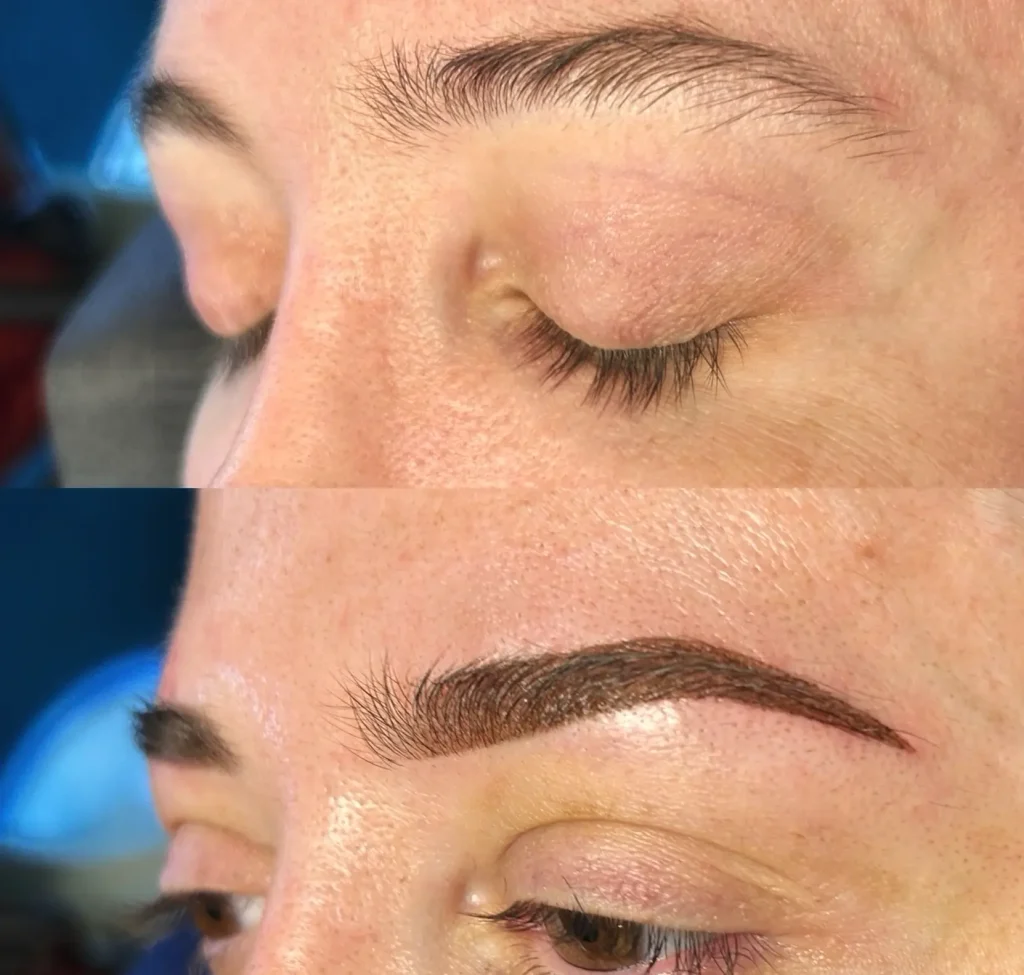
Healing your cosmetic tattoo isn’t just about applying aftercare balm or skipping tanning booths. It’s about supporting your body from the inside, too. Choose foods that nourish, hydrate, and won’t spike inflammation.
Think of it as Correct aftercare meets clean eating — for long-lasting results and less chance of needing additional touch-up sessions.
Questions about your skin type, healing skin, or stubborn skin reactions? Book a consultation at Face Figurati — we’re here for every step of your tattoo journey.
FAQs
Can I drink coffee after a cosmetic tattoo?
Avoid caffeine products for at least 48-72 hours. They can affect blood flow and contribute to minimal swelling.
How long should I avoid spicy foods after a lip tattoo?
7–10 days, especially if prone to cold sores. Pair with antiviral medication if recommended.
Is it safe to eat after eyebrow tattoos?
Yes — but avoid hot drinks, alcohol, sugary foods, and anything that might cause slight swelling or affect pigment colour.
Why does my aftercare include food advice?
Because diet impacts your skin’s healing process and the final colour result. Think of it as extended aftercare advice, essential to any good cosmetic tattooing outcome.
Can I use regular lip balm after a lip blush procedure?
No. Stick to your aftercare ointment or aftercare balm included in your aftercare kit. Regular lip balm may have irritants.