
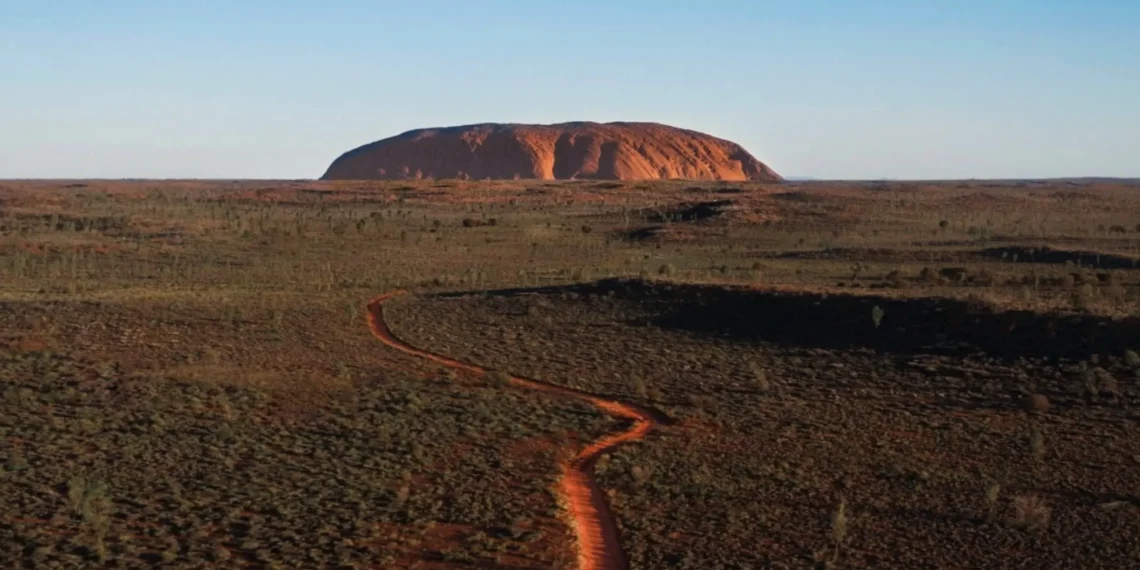
How Old Is Uluru Compared to Dinosaurs?
Uluru, also known as Ayers Rock, is one of Australia’s most famous landmarks and the biggest rock on the continent. But did you know it’s older than the dinosaurs? This massive monolith in the middle of the Northern Territory’s Red Centre is not only a cultural and spiritual symbol for the Anangu people but also a geological wonder that tells the story of the Earth’s ancient past. It’s an actual monolith, not a cluster of smaller rocks.
Nearby attractions like Kings Canyon, Kata Tjuta (The Olgas) and Watarrka National Park make the area a hub for geological and cultural tourism. Many tours including those run by Wayoutback Tours offer immersive experiences through this ancient land. An Alice Springs Uluru tour is a great way to start your Red Centre adventure and see this ancient formation for yourself.
Contents
The Age of Uluru
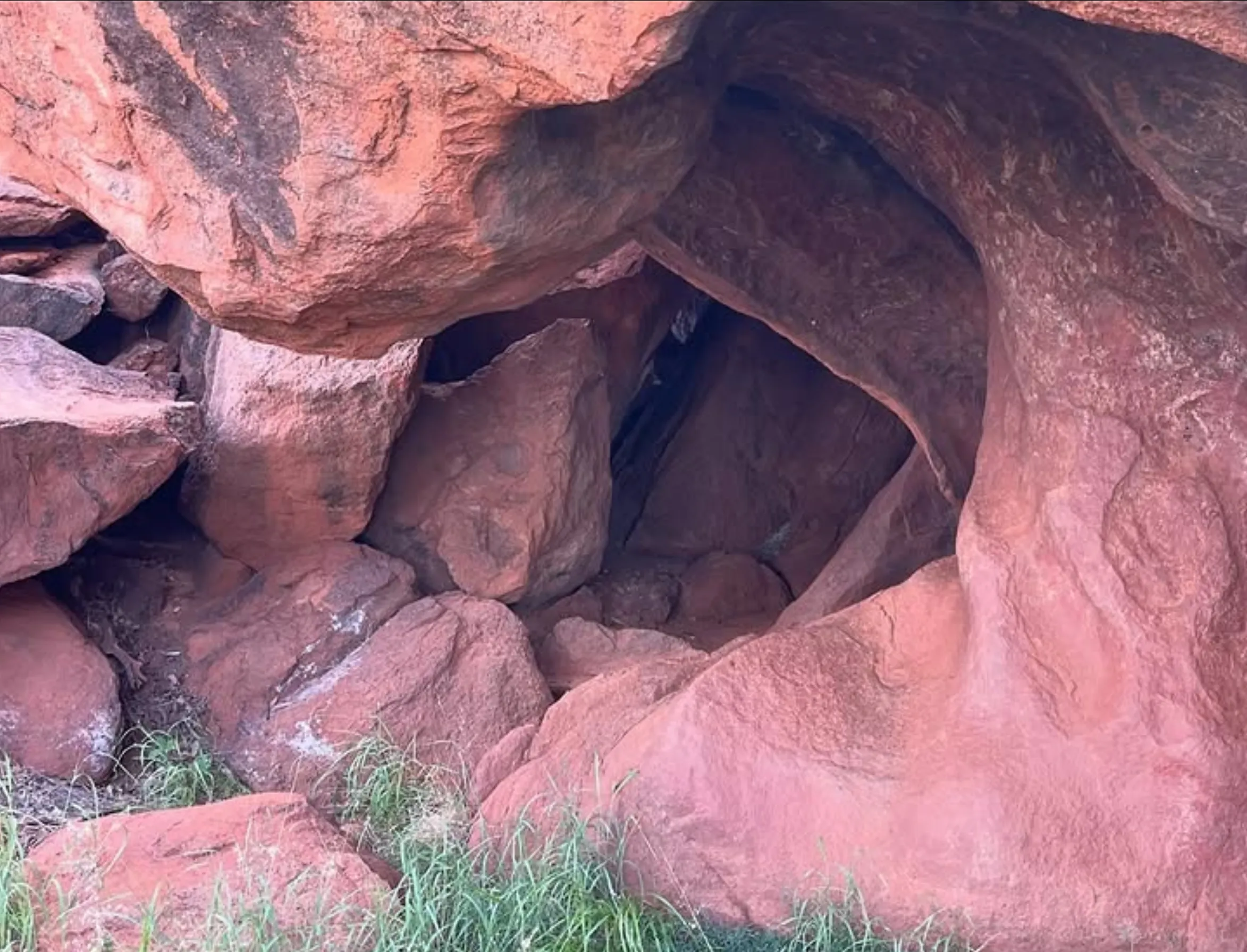
Uluru began forming around 550 million years ago during the Petermann orogenic event, a major geological event that uplifted the mountains in central Australia. Over time these mountains eroded and the sediments that settled at the bottom of an inland sea compressed into the arkose sandstone that makes up Uluru today. This was the dawn of animal life and the foundation for the many fossils and ancient fossil soils found in the area.
Dinosaurs first appeared around 230 million years ago during the Triassic period. That means Uluru is more than twice as old as the first dinosaurs! While the dinosaurs roamed the Earth and then became extinct 65 million years ago, Uluru had already seen hundreds of millions of years of geological time and environmental change, from tropical reefs to freshwater rivers.
Here’s a quick comparison for context:
| Feature | Uluru | Dinosaurs |
|---|---|---|
| Age | ~550 million years | ~230 million years |
| Composition | Arkose sandstone | Organic fossil record |
| Visibility Today | Yes, prominent landform | Fossils and reconstructions only |
| Location | Central Australia | Worldwide |
| Associated Era | Neoproterozoic to Cambrian | Triassic to Cretaceous |
Geological History
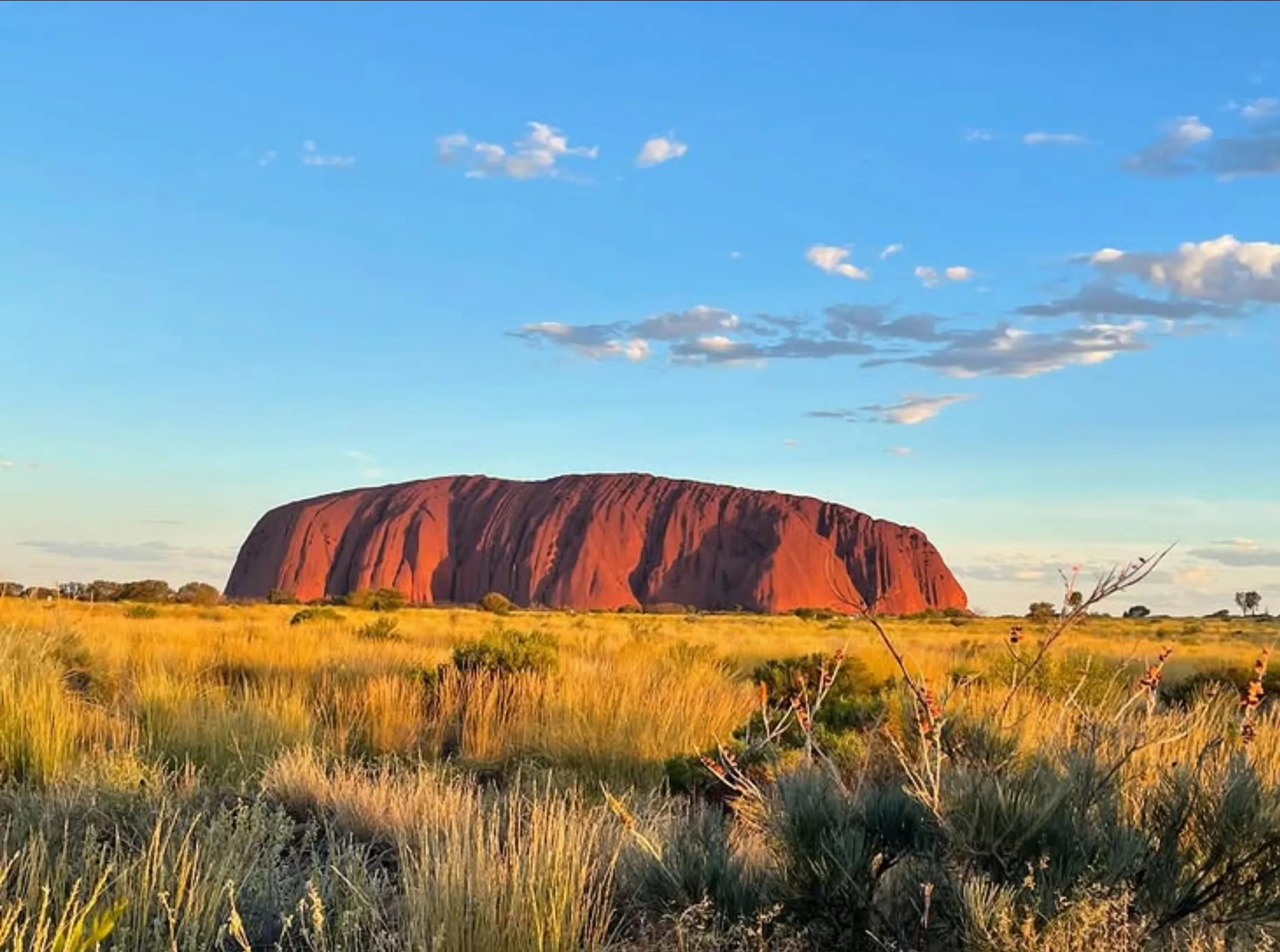
Uluru is part of a big story. After the sedimentary rock was formed, tectonic forces lifted and tilted it nearly 90 degrees. This was a big shift that exposed the layers we see today, the horizontal tubes, ripples, folds and mineral veins that geologists study to understand ancient environmental changes. The shapes and formations on the surface are remnants of the earliest time on Earth.
Cultural Significance
While the geology is cool, Uluru’s importance goes way beyond that. For tens of thousands of years Indigenous Australians have been here. To the Anangu, Uluru is a very spiritual place. Traditional stories – Tjukurpa – link the rock formations to ancestral beings and creation events. These stories include individual animals and natural features that are central to their belief systems.
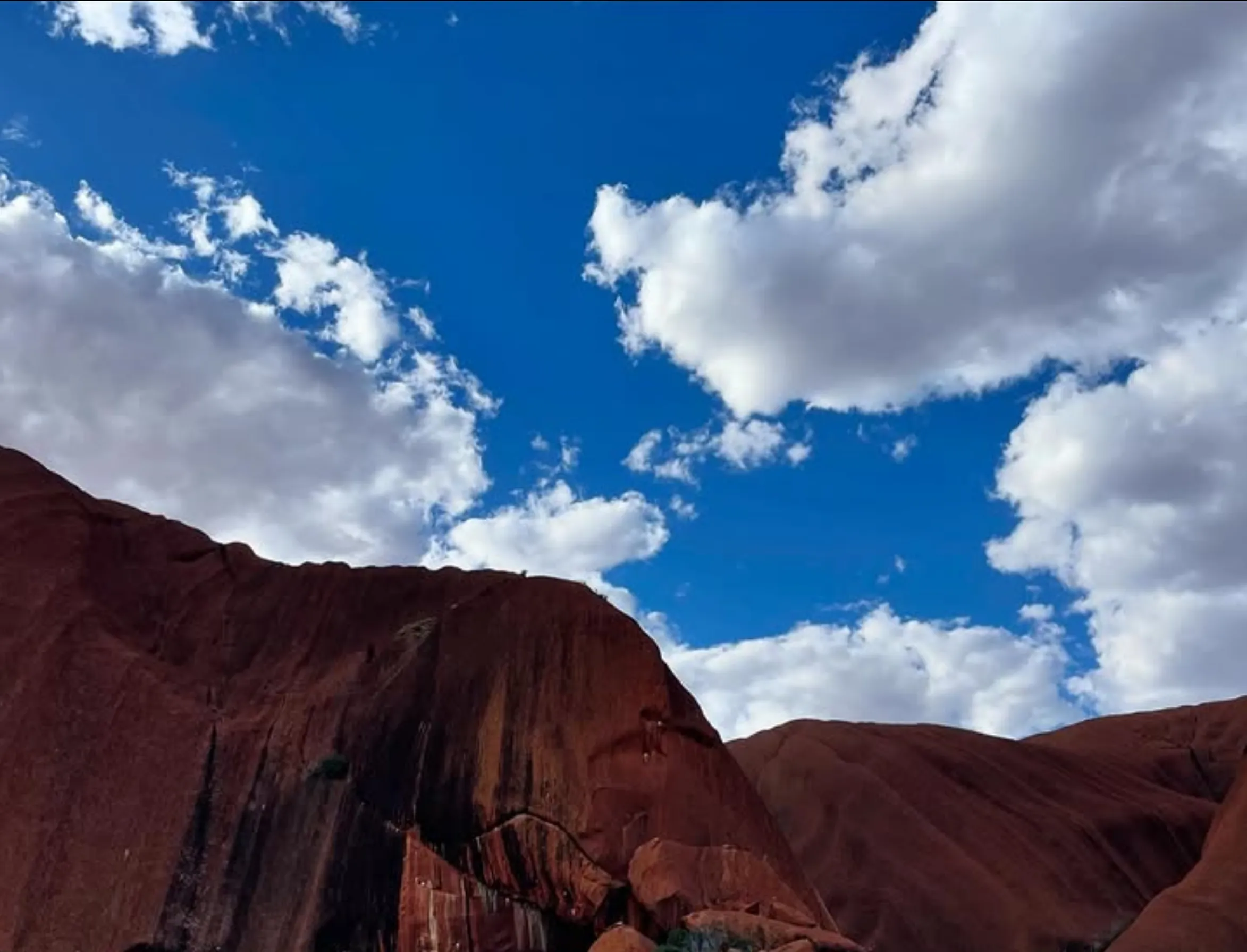
Uluru has ancient rock art sites and ancient rock paintings inside rock caves that depict the stories of the owners for thousands of years. These artworks often show Australian animals and bird species, the largest collection of Indigenous cultural expressions in the region.
Modern Day Visitor Experience
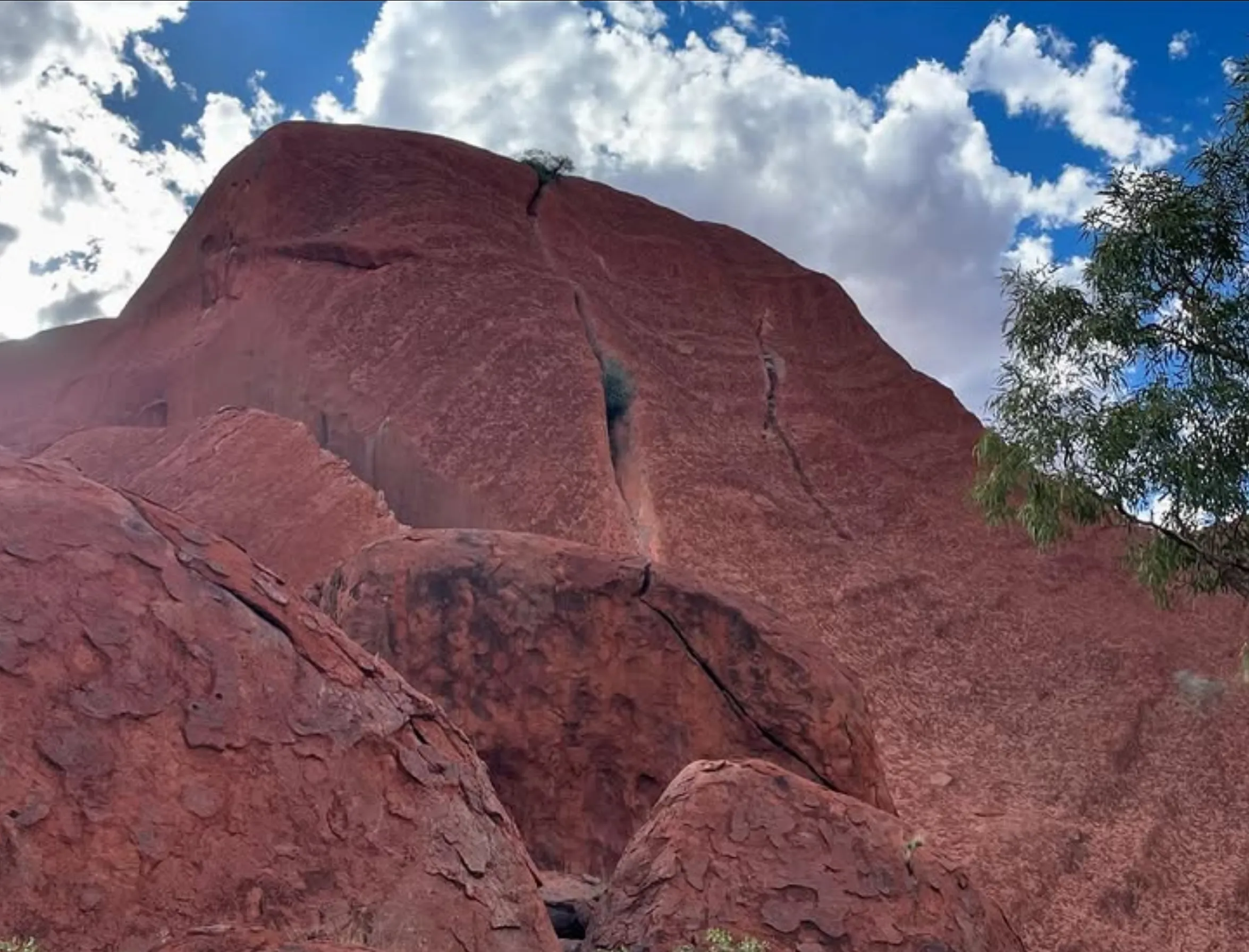
Today, visitors can walk around Uluru within the UNESCO heritage listing of Uluru-Kata Tjuta National Park. The base walk allows you to see ancient rock art and physical evidence of cultural practices that date back thousands of years. Guided Uluru tours will help you understand the natural and cultural significance of this rock.
Interestingly Uluru was once a cattle station before being returned to its traditional owners. It’s massive – 348 meters high and 3.6 kilometres long, the size of 100 football fields.
Travellers booking with Wayoutback Tours can combine Uluru tour with Kings Canyon and Alice Springs and get access to expert guides and real Outback experiences.
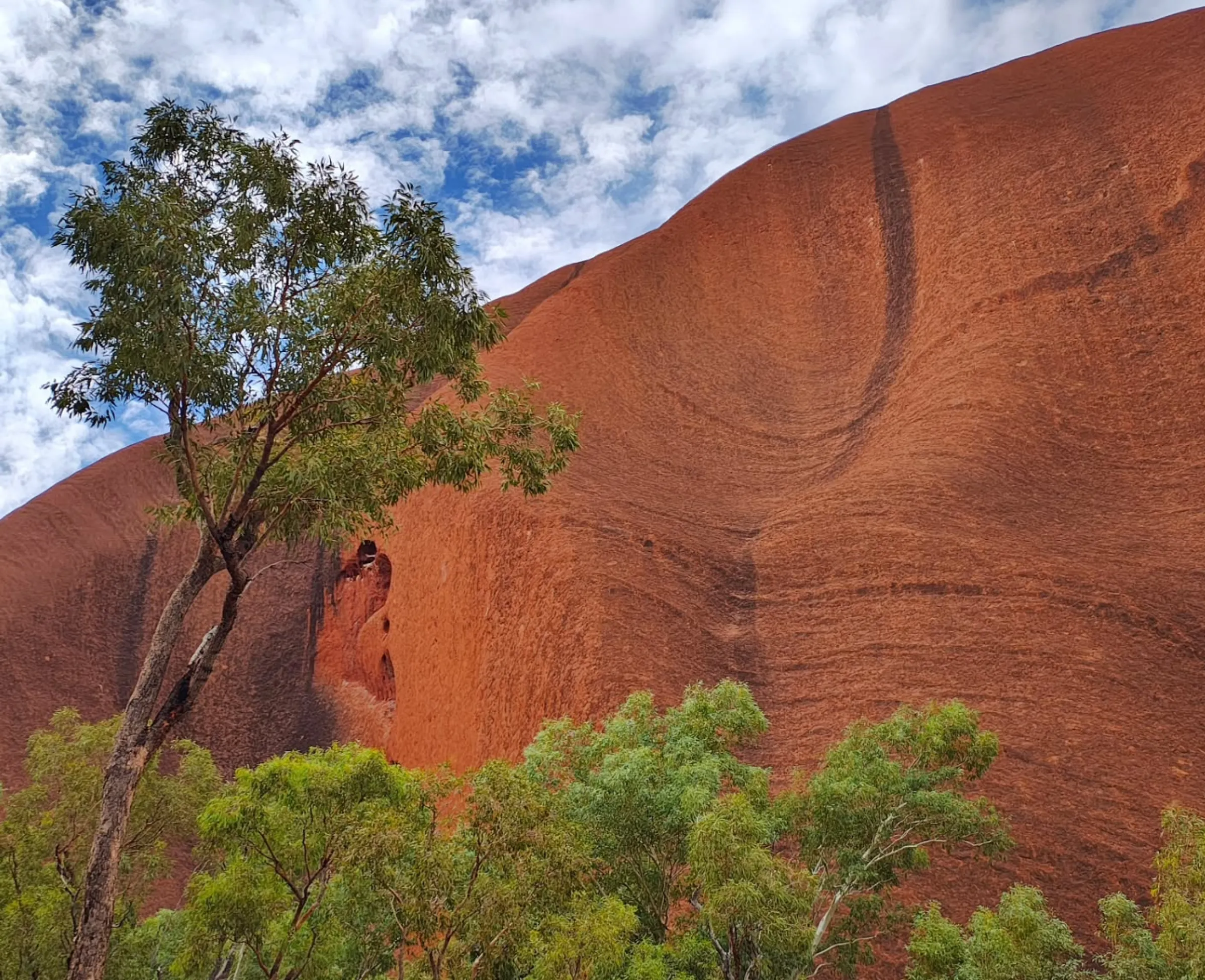
In fact Wayoutback Tours is known for trips that show you the geological wonders and cultural heritage of this unique landscape. A popular option for those with limited time is the Uluru 2 Day Tour, which shows you the highlights of the region’s history and natural beauty.
For a more in-depth experience many opt for the 3 Day Uluru Tour which includes hikes, stargazing and storytelling by local guides.
FAQ
Is Uluru older than dinosaurs?
Yes. Uluru formed 550 million years ago and dinosaurs 230 million years ago.
How was Uluru formed?
Uluru was created from eroded sediments that turned into sandstone and were uplifted by tectonic forces during an orogenic event.
Can I see fossils at Uluru?
No, Uluru doesn’t have dinosaur fossils. Its composition is arkose sandstone, which isn’t good for fossil preservation, although the surrounding area has much fossil evidence.
Why is Uluru important to Indigenous people?
Uluru is culturally and spiritually significant. It’s in many ancestral stories and traditions of the Anangu people who have been the traditional owners for thousands of years.
Can you climb Uluru?
No. Climbing Uluru is now prohibited to respect the cultural significance to Indigenous Australians and to protect the environment around this ancient monolith.