
Animals in Katherine Gorge Guide
Katherine Gorge in the beautiful Nitmiluk National Park in the Northern Territory of Australia is a haven for wildlife. Carved by the Katherine River through ancient sandstone the gorge system has 13 gorges that showcase the natural environment, cultural sites and ecological diversity of the Top End. So what animals live in Katherine Gorge? Beyond the cliffs and rock outcrops is an ecosystem teeming with native animals and wonderful creatures, both terrestrial and aquatic. The whole gorge is a dynamic landscape, changing between the dry and wet seasons, each offering a different glimpse of animal life and behaviour.
A well-planned Katherine Gorge tour will give you breathtaking scenery and many opportunities to see animal activity across this diverse habitat.
Contents
Gorge’s Native Mammals
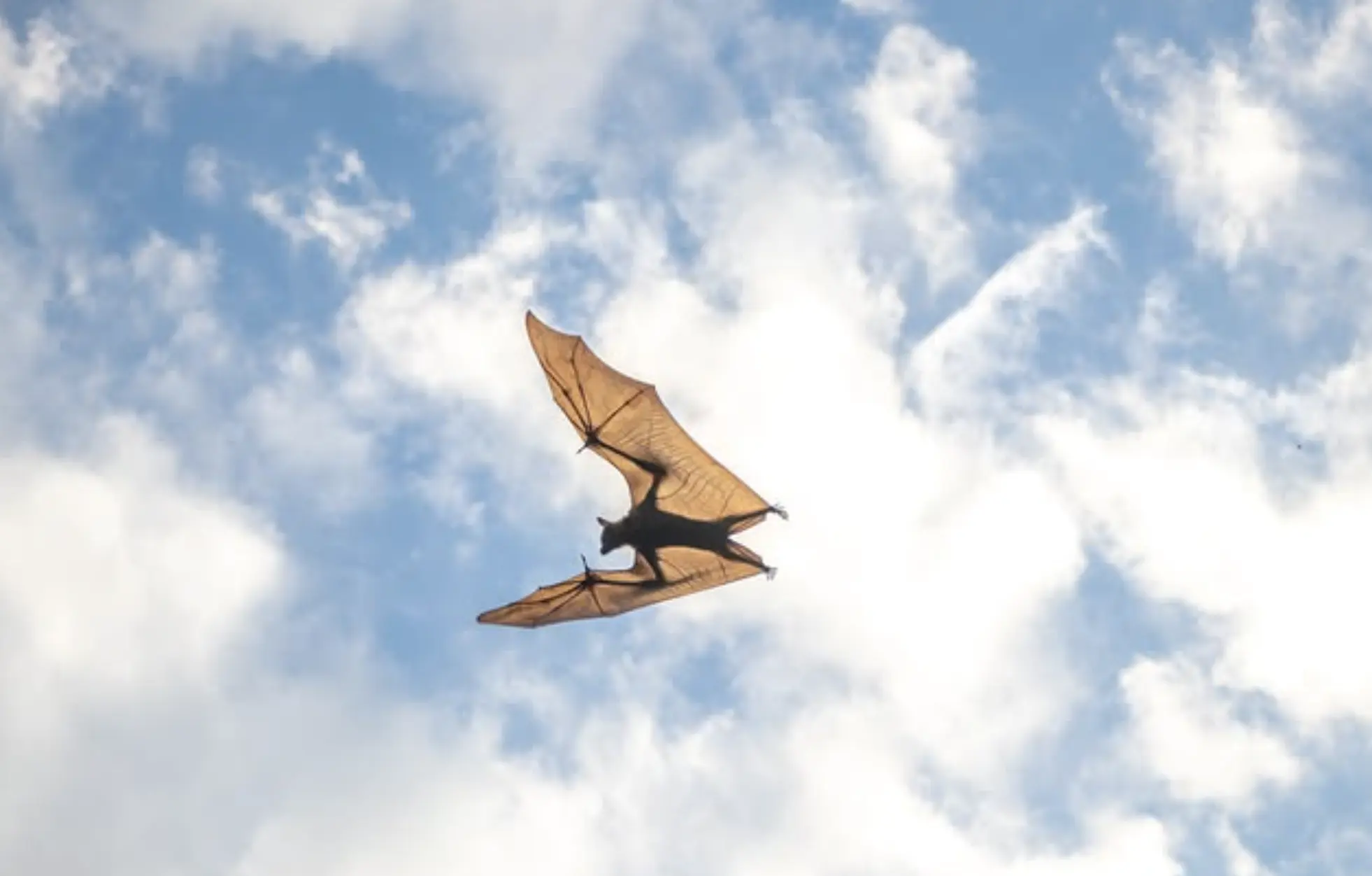
Katherine Gorge has a wide range of animals, and several species of mammals call the area home. Agile wallabies, a smaller cousin of the kangaroo are the most frequently seen mammals, usually near water and open clearings at dawn and dusk. These beautiful animals are often seen doing their natural behaviour, a real treat for wildlife enthusiasts. Fruit bats, also known as flying foxes, are exotic animals that roost in trees and feed on nectar-rich flowers. If you are lucky you might see the elusive northern quoll, a carnivorous marsupial one of Australia’s ancient creatures.
Other Australian animals in the area include dunnarts, echidnas and sugar gliders. These small to medium-sized mammals have many fascinating traits and come in all shapes and sizes. They are an important part of the park’s ecological diversity, maintaining the balance of predator and prey. Keep an eye out along the walking trails as they can pop up suddenly and unexpectedly, especially in shaded areas with water.
Reptiles and Amphibians
Reptiles are the dominant group in Katherine Gorge’s animal life. The most famous residents are the freshwater and saltwater crocodiles. Freshwater crocodiles are shy and non-aggressive; saltwater crocodiles (Australia’s most dangerous animal) can become a threat during the wet season. As the water levels and river levels rise these deadly animals may enter the gorge from downstream. Swimming and canoeing are restricted during this time to prevent encounters with these apex predators. Lizards such as frilled-necked lizards and monitors are also found in the gorge. Amphibians like tree frogs and burrowing frogs thrive after heavy rain in the wet season. They emerge in large numbers, especially in low-lying areas and along waterways. Turtles are often seen basking on rocks or swimming lazily in quiet pools, adding to the amazing fauna of Katherine Gorge.
For a full nature experience many people book Katherine Gorge Tours which include guided walks and river cruises for wildlife spotting.
Birds of the Gorge
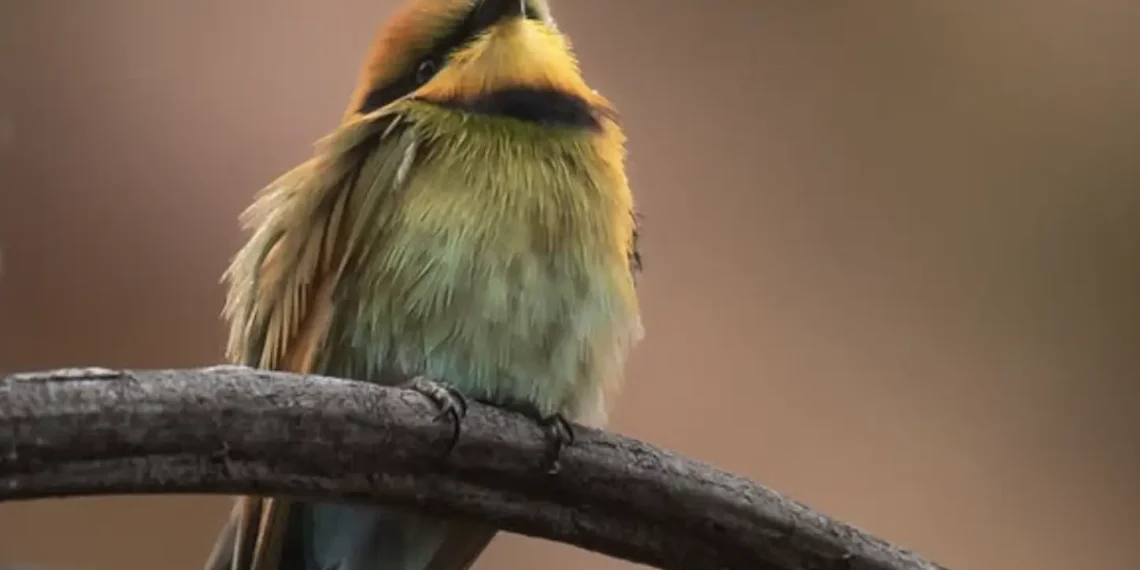
Birdwatching is one of the best things to do in Katherine Gorge with over 200 species recorded. Among the standouts are the rainbow bee-eater, the endangered Gouldian finch and the red-tailed black cockatoo. These beautiful birds are often seen flying above rock outcrops or perched near waterholes.
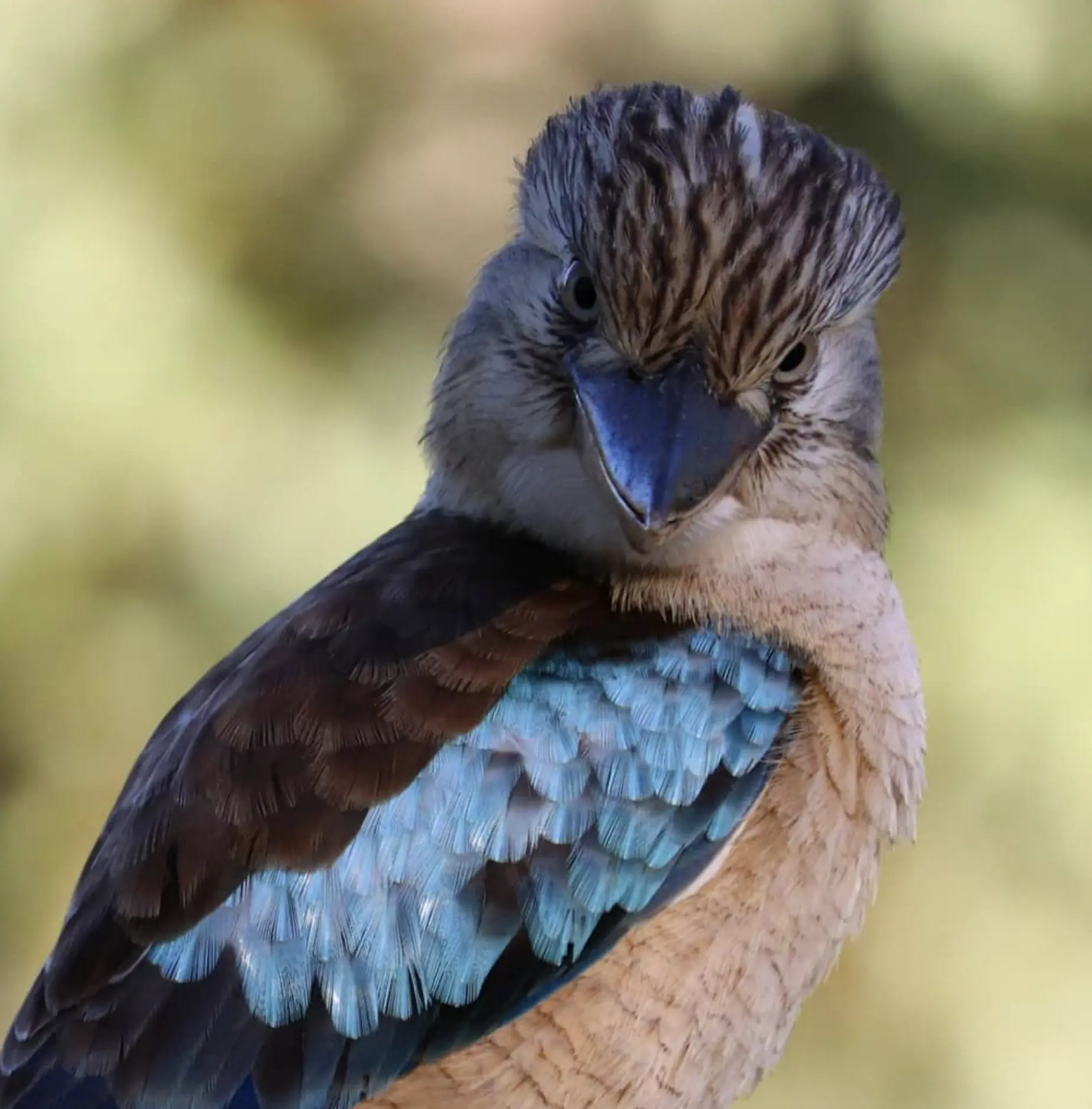
Birds of prey like the wedge-tailed eagle and whistling kite patrol the entire gorge, hunting for smaller animals and showing off the predator-prey relationships that drive the region’s ecosystem. Wetland areas are home to water birds like herons, kingfishers, egrets and cormorants who dive for fish and feed their young.
Whether you’re on a walking trail or a boat tour, the birds add music to every journey.
Aquatic Life in the Gorge
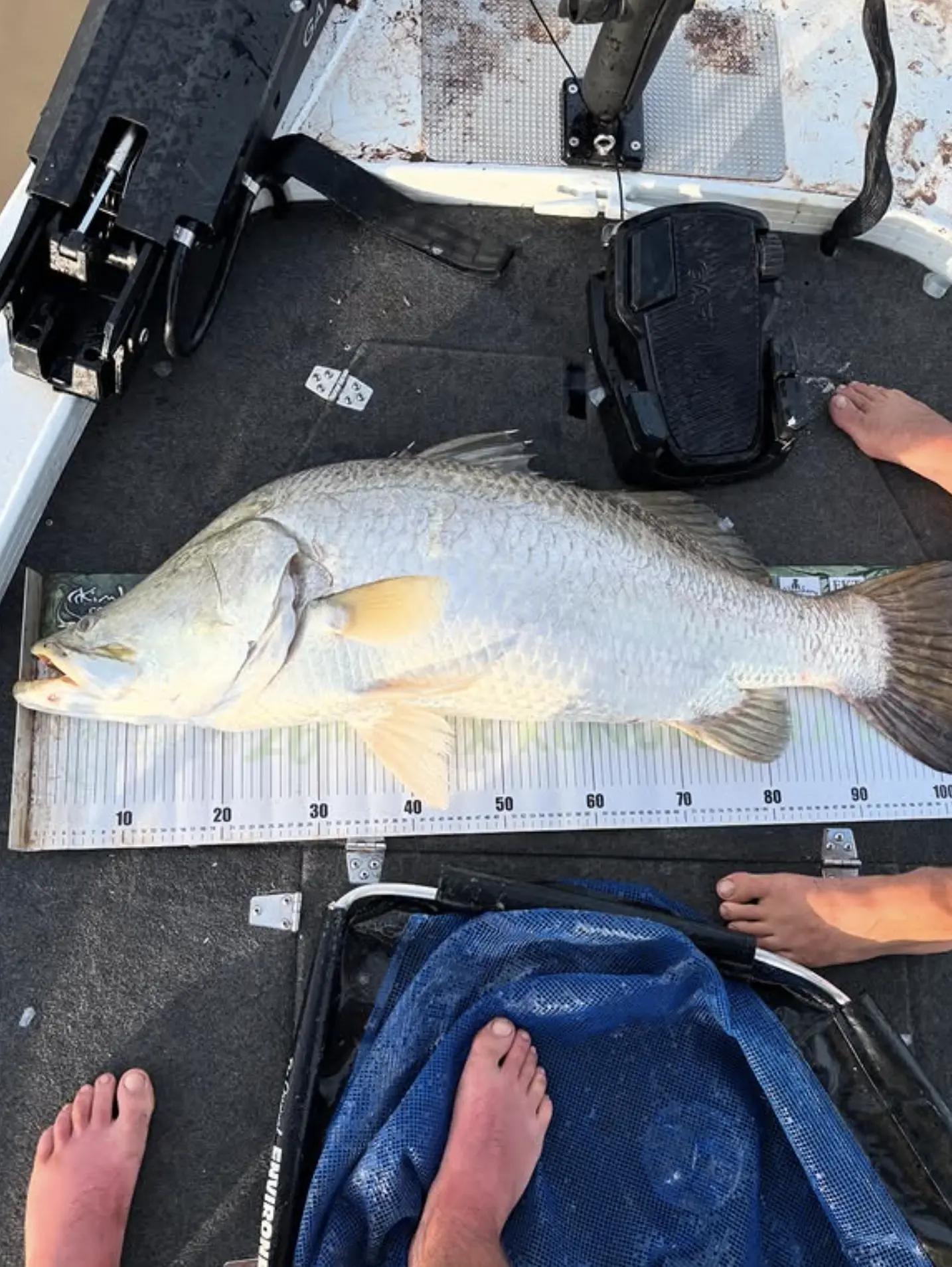
The Katherine River is the lifeblood of all aquatic and semi-aquatic life. With its steady flow in the dry season and unpredictable surge in the wet season it creates changing habitats for native fish and invertebrates. The river is home to barramundi, archerfish, catfish and sooty grunters – species that thrive in this nutrient-rich water.
In the wet season the river floods across the banks and rocks, providing breeding grounds for insects and spawning fish. Canoe hire and guided boat Katherine Tours are best in the dry season when the water is lower and safer. These activities allow visitors to get up close to the aquatic ecosystems without disturbing them. Keep an eye out for dragonflies, damselflies and beetles – all important links in the food chain.
Those on a Nitmiluk tour will often be taken to quieter waterholes where aquatic species thrive in peaceful surroundings.
Insects, Arachnids and More
The insect population of Katherine Gorge is an unsung hero of the park’s biodiversity. From native bees to brightly coloured butterflies, the region is home to a wide variety of invertebrates. Spiders like the golden orb-weaver spin massive webs between branches, while ants, beetles and other ground dwellers help recycle nutrients in the soil.They may be small but they are part of animal traps (natural and artificial) and predator-prey relationships. Look closely and you’ll see just how connected everything is in the gorge.
Hiking, Sightseeing, and Wildlife Observation
Hiking the many trails around Katherine Gorge is more than just scenic views—it’s a window into the behaviour of animals in one of Australia’s oldest landscapes. From the rustle of lizards darting between rocks to the calls of birds echoing through the canyon, every step reveals something new.
Many trails lead to sacred sites which are important to the Jawoyn people, the traditional owners of the land. Intertwined with these stories is a rich tapestry of animal life shaped over millennia by the changing landscapes and seasons. For the average tourist these trails are a key to understanding how the stunning landscapes support wildlife.
Nearby attractions like Edith Falls, Leliyn and Cutta Cutta Caves Nature Park complement a visit to Katherine Gorge. For guided tours Wildlife Tours offers itineraries that cover the entire gorge and beyond, combining ecological knowledge with cultural stories. Visitors from Darwin can also join Darwin tours that include Katherine as a highlight, combining city and outback.
Respecting Wildlife and Cultural Sites
Please treat the gorge and its animals with respect. Never approach or feed animals and don’t disturb habitats or sacred sites. Don’t interfere with animal traps set for research or conservation. Be aware of changing river levels especially during the wet season to ensure safety.
Whether you see reptiles, birdlife or marvel at ancient sandstone cliffs remember you are stepping into a living breathing ecosystem. The animals of Katherine Gorge deserve our care and admiration.
FAQ
Are there crocodiles in Katherine Gorge?
Yes, freshwater crocodiles are common and saltwater crocodiles may enter during the wet season when water levels rise. Swimming is closed until conditions are safe.
Can I see kangaroos in Katherine Gorge?
Large kangaroos are rare but agile wallabies—a type of mammal similar to kangaroos—are often spotted near waterholes in the gorge.
What birds can I see in Katherine Gorge?
Birdwatchers can see a wide range of bird species including the Gouldian finch, rainbow bee-eater, wedge-tailed eagle and red-tailed black cockatoo.
Are there dangerous animals in Katherine Gorge?
Yes, especially saltwater crocodiles during the wet season. Other deadly animals are present but if you follow the trails and safety guidelines you are unlikely to encounter them.
When can I see wildlife in Katherine Gorge?
The dry season (May to October) is best for hiking and boat trips as they are more accessible. Early morning and late afternoon are best for seeing wildlife across the entire gorge.